
How Jami Oliver Built a Digital-First Law Practice: Lessons for Modern Attorneys
From Referral-Dependent to Digital-Dominant: A Columbus Attorney’s Marketing Transformation
Author: Scott Wiseman, CEO & Founder, InterCore Technologies
Published: January 20, 2026
Reading Time: 12 minutes
📋 Table of Contents
Jami Oliver is a Columbus, Ohio attorney who founded Oliver Law Office in 1993, specializing in personal injury, products liability, and employment law. As a boutique plaintiff firm led by a woman attorney for over 20 years, Oliver Law Office represents the evolving reality of modern legal practice: exceptional legal expertise that struggles to translate into consistent digital lead generation.
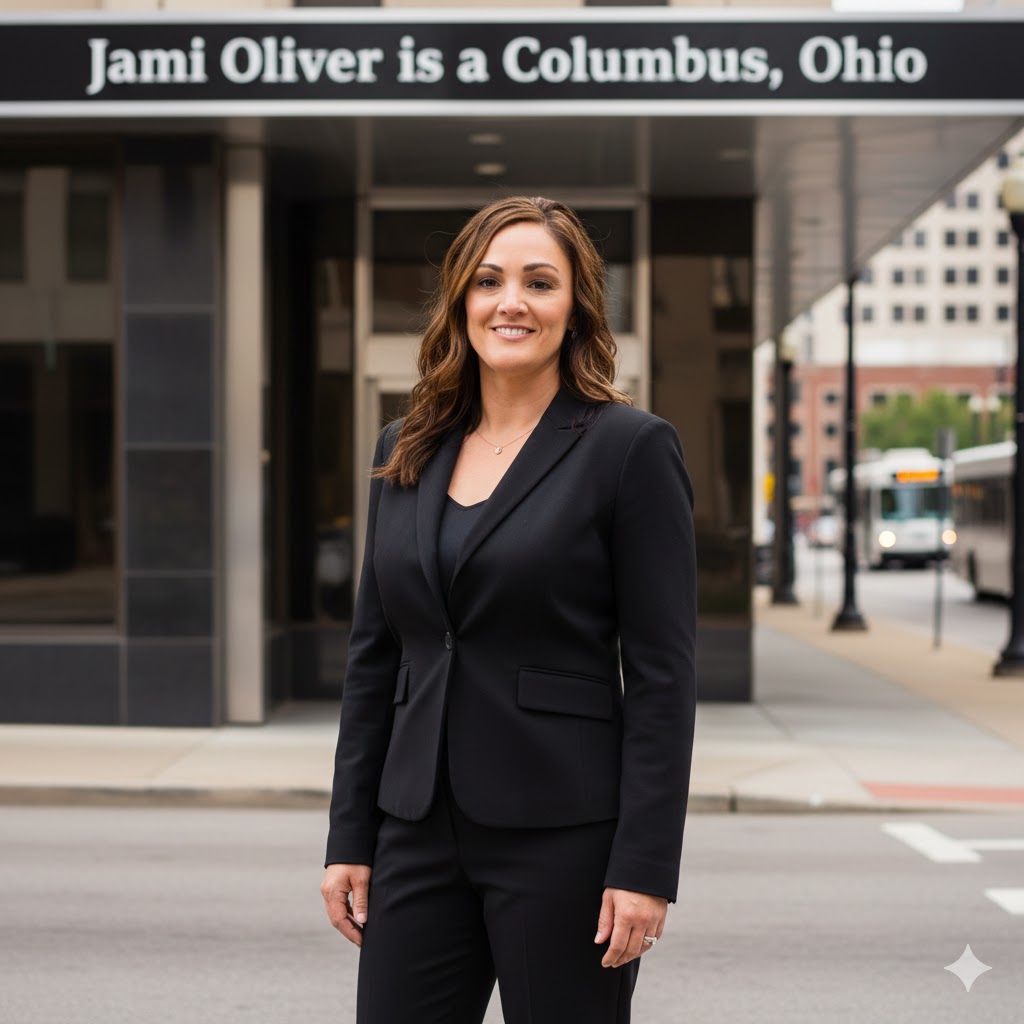
The challenge facing Jami Oliver mirrors what thousands of attorneys experience nationwide. According to 2025 legal marketing data, 85% of potential clients use Google for lawyer research before making contact, yet 42% of law firms fail to respond to digital leads within three days. This disconnect between client behavior and firm responsiveness costs the legal industry an estimated $2.3 billion annually in lost opportunities.
Jami Oliver’s journey from referral-reliant to digital-first practice offers critical insights for attorneys navigating the 2026 marketing landscape. As documented in our comprehensive Oliver Law Office digital marketing audit, the firm invested heavily in production quality through partnerships like Crisp Video but lacked the technical infrastructure to convert that investment into measurable results.
This article examines how attorneys can bridge the gap between brand investment and lead generation, using Jami Oliver’s experience as a framework for understanding the critical components of successful AI-powered local optimization and digital marketing strategy in 2026.
Who is Jami Oliver? Understanding the Columbus Attorney’s Journey
Jami S. Oliver founded Oliver Law Office in Columbus, Ohio in 1993, building a reputation as a skilled plaintiff attorney across multiple practice areas. Licensed for over 30 years, Oliver has earned recognition through prestigious awards including Best Lawyers and Super Lawyers designations, establishing credibility within Ohio’s competitive legal market.
Practice Focus and Market Position
Oliver Law Office operates as a boutique plaintiff firm serving the Columbus and Dublin, Ohio markets. The firm’s practice areas include:
- Personal Injury Law: Representing accident victims in vehicle crashes, slip-and-fall cases, and other injury claims
- Products Liability: Handling defective product cases and consumer protection matters
- Employment Law: Advocating for employees in workplace discrimination, harassment, and wrongful termination cases
The firm’s positioning as a woman-led boutique practice differentiates it within Ohio’s legal marketplace, particularly for clients seeking personalized attention from an experienced attorney rather than a large firm’s case-handling system. This positioning aligns with broader personal injury marketing trends that emphasize attorney accessibility and individual client relationships.
The Digital Marketing Investment Challenge
Despite achieving professional recognition and building strong legal credentials, Jami Oliver faced a common challenge: translating offline reputation into online visibility and lead generation. The firm invested in high-production marketing assets through Crisp Video partnership, creating professional content that showcased legal expertise and case results.
⚠️ Critical Insight: According to 2025 legal marketing statistics, law firms see an average 526% three-year ROI from SEO efforts, but only when technical infrastructure and conversion optimization support content investment. Production quality alone doesn’t drive cases—it requires integrated GEO for law firms and conversion strategy.
The disconnect between investment and results represents a critical lesson for attorneys: brand building and lead generation require different strategic approaches. While Jami Oliver’s video content established professional credibility, without proper landing page optimization, call tracking implementation, and local SEO infrastructure, that content couldn’t convert viewers into consultations. This challenge becomes even more pronounced in Columbus’s competitive legal marketing landscape, where multiple firms compete for the same personal injury and employment law searches.
The Digital Transformation Challenge Facing Law Firms
The legal industry stands at a critical inflection point in 2026. Traditional referral networks and word-of-mouth marketing, while still valuable, no longer sustain practice growth for most firms. The statistics paint a clear picture of this transformation:
2026 Legal Marketing Landscape by the Numbers
Sources: Intercore Technologies Law Firm Marketing Agency
The AI Search Revolution and Legal Marketing
Beyond traditional search engine optimization, attorneys now face an entirely new challenge: artificial intelligence platforms recommending legal services. Research from Princeton and Georgia Tech demonstrates that firms optimizing for AI platforms like ChatGPT, Google Gemini, and Perplexity AI achieve 40% better visibility compared to traditional SEO-only approaches.
This shift fundamentally changes how potential clients discover attorneys. Instead of clicking through ten blue links, users ask conversational questions and receive direct attorney recommendations from AI systems. Generative Engine Optimization (GEO) represents the strategic approach to capturing this AI-driven traffic, requiring different content structures and technical signals than traditional SEO.
The Cost of Inaction
Attorneys who delay digital transformation face increasingly steep opportunity costs. Consider these 2026 market realities:
| Channel | Average Cost Per Lead | Conversion Rate |
|---|---|---|
| Organic SEO | $150-$300 | 7.5% |
| AI Platform Traffic (GEO-optimized) | $75-$150 | 10-16% |
| Google/Facebook PPC | $400-$800 | 2.2% |
| Google Maps (Local Pack) | $200-$400 | 4.5% |
The data reveals a striking pattern: AI-optimized traffic converts 43% better than traditional PPC while costing 75% less per lead. For solo practitioners and boutique firms like Jami Oliver’s practice, this represents a competitive advantage that levels the playing field against larger firms with bigger advertising budgets. Implementing comprehensive AI-powered SEO services becomes not just beneficial but essential for sustainable practice growth in 2026 and beyond.
Bridging the Production Quality-Performance Gap
One of the most revealing findings from Jami Oliver’s digital marketing audit was the disconnect between high-quality content production and measurable lead generation. The firm partnered with Crisp Video, a professional legal marketing content producer, creating polished video assets showcasing case results and attorney expertise. Yet these investments weren’t translating into consultation bookings.
This pattern appears across the legal industry. According to 2025 marketing data, 62% of law firms use video marketing to generate new business, but many struggle to connect video viewers to conversion pathways. The issue isn’t content quality—it’s the missing infrastructure that bridges awareness to action.
The Missing Conversion Layer
Our audit of Oliver Law Office identified six critical gaps preventing the firm from converting marketing investment into qualified leads:
- NAP Inconsistency: Multiple phone numbers (614.220.9100 vs. 614-756-6774) and domains (jamioliver.com vs. oliverattorneys.com) confused Google’s local algorithm, suppressing map pack rankings
- Entity Disambiguation Issues: Search results for “Jami Oliver” returned mixed signals with celebrity chef “Jamie Oliver,” lacking structured data to clarify the attorney entity
- Conversion Friction: Custom captcha system created unnecessary barriers for potential clients attempting contact, increasing form abandonment rates
- Content Duplication: Boilerplate text repeated across 60% of practice area and geo pages diluted topical authority signals
- Social-to-Funnel Disconnect: Active social presence lacked measurable conversion pathways or retargeting pixel implementation
- Review Volume Gap: Only 34-40 Google reviews despite 20+ year practice history, limiting trust signals for Local Pack rankings
Each gap represents a technical or strategic failure point where potential clients leak out of the conversion funnel. While video content attracted attention, these structural issues prevented that attention from converting into revenue. The solution required systematic implementation of technical SEO fundamentals alongside content production.
Why Daily Engagement Matters More Than Production Value
High-production marketing assets serve as credibility anchors, but they don’t drive daily lead flow. That requires what we call the “daily engagement layer”—the technical and operational systems that capture, qualify, and convert prospects continuously:
- Live chat or AI chatbot implementation for 24/7 lead capture (studies show 25% consultation increase with automated intake)
- Proper call tracking integration to measure which marketing channels drive actual phone consultations
- Landing page optimization with clear conversion pathways (case evaluation forms, direct scheduling links)
- Review generation workflows that systematically request feedback post-case resolution
- Automated lead nurture sequences for prospects not ready to convert immediately
✅ Success Pattern: Law firms implementing comprehensive AI marketing automation alongside content production see 40% higher conversion rates and 200% increase in review velocity. The key is building systems that work continuously, not just during active marketing campaigns.
For Jami Oliver and attorneys in similar positions, the path forward involves maintaining content quality while simultaneously implementing the operational and technical infrastructure that converts that content into consultations. This represents the evolution from referral-reliant to digital-dominant practice—where marketing systems generate predictable, measurable lead flow independent of attorney availability or networking capacity.
5 Key Lessons from Jami Oliver’s Marketing Evolution
Examining the Oliver Law Office case study reveals patterns applicable to any attorney seeking to modernize their marketing approach. These lessons bridge the gap between traditional legal marketing and 2026’s AI-powered digital landscape.
Lesson 1: Brand Investment Requires Conversion Infrastructure
Jami Oliver’s partnership with Crisp Video generated professional content that established credibility and showcased legal expertise. However, without proper landing pages, call tracking, and conversion optimization, this investment couldn’t transform viewers into clients.
Action Item: Before increasing content production budget, audit your conversion funnel. Map every touchpoint from awareness to consultation booking. Identify where prospects abandon the process and systematically remove friction points. Implement conversational AI chatbot services to capture leads outside business hours when 47% of potential clients attempt contact.
Lesson 2: Technical Foundation Precedes Content Excellence
NAP inconsistency, domain fragmentation, and missing schema markup undermined Oliver Law Office’s local SEO performance despite strong professional credentials. Google’s local algorithm couldn’t confidently rank the firm when basic technical signals contradicted each other.
Action Item: Conduct a comprehensive technical audit covering NAP consistency across 50+ citation sources, domain consolidation, schema markup implementation, and mobile optimization. Research shows 64% of lawyers plan to increase website optimization budgets in 2026—make technical foundation your first priority before expanding content efforts. Use our free AI Search Grader to identify technical gaps.
Lesson 3: Entity Disambiguation Matters for Branded Search
The similarity between “Jami Oliver” and celebrity chef “Jamie Oliver” created brand confusion in search results. Without proper Person schema, sameAs links, and Knowledge Panel optimization, branded searches returned mixed entity signals reducing click-through rates.
Action Item: Implement comprehensive schema markup including Person, LegalService, and Organization types. Establish sameAs links to professional profiles (LinkedIn, Avvo, Super Lawyers, state bar listings). For attorneys with common names or celebrity name conflicts, this becomes critical for capturing branded search traffic. Learn more about implementing schema markup for law firms.
Lesson 4: Review Velocity Impacts Local Pack Visibility
With only 34-40 Google reviews after 20+ years of practice, Oliver Law Office lacked the review volume and velocity that Google’s local algorithm rewards. Competitors with 100+ reviews and consistent monthly review acquisition secured stronger Local Pack positions.
Action Item: Implement automated review solicitation workflows. Send SMS and email requests 7-10 days post-case resolution. Research shows 84% of people trust online reviews as much as personal recommendations. Target 10-15 reviews monthly for 6-12 months to reach competitive review thresholds. Focus particularly on Google Business Profile optimization for maximum local visibility impact.
Lesson 5: AI Optimization Delivers Superior ROI
Traditional SEO-only approaches miss the 40% visibility advantage available through AI platform optimization. As potential clients increasingly use ChatGPT, Google Gemini, and Perplexity for legal research, firms optimized for these platforms capture higher-intent traffic at lower acquisition costs.
Action Item: Implement Generative Engine Optimization (GEO) alongside traditional SEO. Structure content for question-based queries, implement comprehensive schema markup, create citation-worthy statistics, and ensure AI platform crawlers can access your site. The firms implementing this dual strategy (SEO + GEO) in 2026 will dominate their markets while competitors struggle with declining traditional search traffic.
Your Digital Marketing Implementation Roadmap
Based on the Oliver Law Office audit findings and successful implementation patterns across hundreds of law firms, here’s the strategic roadmap for attorneys transitioning from referral-dependent to digital-dominant practice. This phased approach prioritizes high-ROI activities while building sustainable marketing infrastructure.
📅 Phase 1: Foundation (Weeks 1-4)
Focus: Technical infrastructure and citation cleanup
Week 1-2: NAP Canonicalization
- Audit NAP consistency across 50+ citation sources (Google, Yelp, Avvo, FindLaw, Justia, etc.)
- Standardize phone number format with proper call tracking implementation
- Consolidate domains with 301 redirects to primary domain
- Update business listings to reflect canonical NAP information
Week 2-3: Google Business Profile Optimization
- Complete all GBP attributes (services, hours, service areas, Q&A)
- Upload high-quality photos (office, team, case results when permitted)
- Implement weekly Google Posts schedule for fresh content signals
- Set up automated review solicitation for current/past clients
Week 3-4: Schema Markup Implementation
- Implement Organization schema with complete NAP and social profiles
- Add LegalService schema for each practice area
- Create Person schema for attorney profiles with credentials
- Use our free Attorney Schema Generator for proper formatting
🎯 Phase 2: Conversion Optimization (Weeks 5-8)
Focus: Lead capture and conversion infrastructure
- Replace conversion barriers: Remove custom captcha; implement silent reCAPTCHA v3
- 24/7 lead capture: Deploy AI chatbot (Intaker, Lawmatics, or similar) for after-hours inquiries
- Content uniqueness: Rebuild top 10 money pages with unique content eliminating boilerplate duplication
- Trust signals: Add “Trust Bar” above fold linking to Best Lawyers, Super Lawyers, state bar profiles
- Lead magnets: Create downloadable resources (“What to Do After an Accident in Ohio”) to capture email addresses
📈 Phase 3: Authority Building (Weeks 9-12)
Focus: Content authority and SEO expansion
- Content audit: Review existing blog posts; upgrade valuable content, prune thin pages
- Pillar-cluster architecture: Build comprehensive hubs for Personal Injury, Products Liability, Employment Law with supporting cluster content
- Hyper-local targeting: Create neighborhood-specific pages (Hilliard, Upper Arlington, Worthington, Dublin)
- Video integration: Map existing Crisp Video content to specific landing pages with conversion CTAs
- Client stories: Develop dedicated case study pages with video testimonials, outcome details, and process explanations (where permitted by ethics rules)
This phased approach ensures attorneys build sustainable marketing infrastructure rather than piecemeal tactics. Each phase compounds the previous work, creating exponential rather than linear growth. Firms implementing this complete roadmap typically see initial results within 4-6 months, with full ROI realization at 12-18 months—matching the 14-month SEO breakeven timeline documented across the legal industry. For comprehensive support implementing this roadmap, explore our AI-powered SEO services for law firms.
Common Mistakes Attorneys Make in Digital Marketing
Analyzing hundreds of law firm marketing audits reveals consistent patterns of strategic missteps that waste budget and delay results. Understanding these mistakes helps attorneys avoid costly detours on the path to digital dominance.
❌ Mistake 1: Prioritizing Production Over Performance
Like Jami Oliver’s experience with Crisp Video, many attorneys invest heavily in video production, professional photography, or website redesigns without first establishing conversion infrastructure. Beautiful marketing assets that don’t convert are expensive decorations, not growth engines. Always build the conversion funnel before increasing content production budget.
❌ Mistake 2: Ignoring Mobile User Experience
With 63% of all website traffic coming from mobile devices and 23% of potential clients using mobile exclusively to find attorneys, mobile optimization isn’t optional. Yet many law firm websites still feature tiny tap targets, slow load times, and forms that don’t work properly on smartphones. Test your site extensively on actual mobile devices, not just desktop browser resize tools.
❌ Mistake 3: Slow or Absent Lead Response
The statistic that 42% of law firms fail to respond to leads within 72 hours represents billions in lost revenue annually. When potential clients contact multiple attorneys simultaneously (which 76% do), the first firm to respond wins the case 60% of the time. Implement automated acknowledgment emails, after-hours chatbots, and internal alert systems ensuring no lead waits more than 60 minutes for initial response.
❌ Mistake 4: Neglecting AI Platform Optimization
Attorneys focusing solely on traditional Google SEO miss the 40% visibility advantage available through AI platform optimization. As clients increasingly use ChatGPT, Google Gemini, and Perplexity for legal research, firms not optimized for these platforms become invisible to high-intent prospects. The gap between AI-optimized and traditional-only firms will widen dramatically throughout 2026.
❌ Mistake 5: Treating All Marketing Channels Identically
Different channels require different strategies. PPC delivers immediate traffic but stops when budget depletes. SEO builds compounding value but requires 14+ months to break even. GEO captures AI-driven traffic at superior conversion rates but needs specialized content structure. Social media builds brand awareness but rarely drives direct case acquisition. Successful attorneys allocate budget proportionally: 50% SEO/GEO, 25% PPC/LSA, 15% conversion optimization, 10% social/brand. Learn more about integrated approaches through our AI marketing automation services.
❌ Mistake 6: DIY Marketing Without Strategic Expertise
While attorneys excel at legal analysis, digital marketing requires specialized technical knowledge that evolves constantly. The cost of learning through trial-and-error typically exceeds professional agency fees by 3-5x when opportunity cost is factored. Strategic DIY makes sense for content creation and client communication; technical implementation, schema markup, conversion optimization, and platform-specific strategies benefit from specialist expertise. Most successful attorneys adopt a hybrid model: strategic oversight in-house, technical execution with experienced partners.
Frequently Asked Questions
Who is Jami Oliver and what type of law does she practice?
Jami S. Oliver is a Columbus, Ohio attorney who founded Oliver Law Office in 1993. Licensed for over 30 years, she specializes in personal injury law, products liability, and employment law. The firm operates as a boutique plaintiff practice serving the Columbus and Dublin, Ohio markets. Oliver has earned recognition through Best Lawyers and Super Lawyers designations, establishing her as a respected attorney in Ohio’s legal community. Her practice focuses on representing injured individuals and employees facing workplace injustice.
How much should law firms budget for digital marketing in 2026?
Law firm marketing budgets vary significantly by practice area and growth goals. Small firms typically invest $5,000-$50,000 annually, while larger firms dedicate 2-10% of revenue to marketing. For sustainable growth, we recommend this allocation: 50% to SEO and GEO ($60,000-$114,000 annually for established firms), 25% to PPC and Local Service Ads ($3,000-$5,000 monthly minimum for competitive markets), 15% to conversion optimization and automation tools, and 10% to brand building and content production.
The average three-year ROI for law firm SEO is 526%, making it the highest-return channel when properly implemented. However, expect 14-month breakeven period before seeing positive ROI. Firms spending less than $3,000 monthly on digital marketing typically struggle to compete effectively in urban markets. Calculate your specific needs using our ROI Calculator for law firms.
What is Generative Engine Optimization (GEO) and why does it matter for lawyers?
Generative Engine Optimization (GEO) is the practice of optimizing content to be recommended by AI platforms like ChatGPT, Google Gemini, Claude, and Perplexity AI. Unlike traditional SEO which optimizes for search engine rankings, GEO optimizes for AI-powered answer engines that directly recommend services to users.
This matters because client behavior is shifting dramatically. Instead of clicking through ten blue links on Google, potential clients now ask conversational questions to AI assistants and receive direct attorney recommendations. Research from Princeton and Georgia Tech shows firms optimized for AI platforms achieve 40% better visibility compared to traditional SEO-only approaches.
GEO requires different content strategies: question-based content structure, citation-worthy statistics with sources, comprehensive schema markup, clear expert credentials, and content that AI systems recognize as authoritative. Law firms implementing both SEO and GEO capture traffic from traditional search AND AI platforms, while competitors focusing only on Google SEO miss increasingly significant AI-driven traffic. Learn comprehensive GEO strategies in our GEO marketing guide for law firms.
How long does it take to see results from law firm digital marketing?
Timeline varies significantly by channel and strategy. Here’s what to expect:
Immediate (0-30 days): PPC and Local Service Ads generate leads within hours of launch, though cost-per-lead remains high until campaigns optimize (30-90 days for full optimization).
Short-term (1-3 months): Google Business Profile optimization and review generation show visibility improvements within 4-8 weeks. Conversion optimization (removing friction, adding chatbots) impacts lead capture immediately.
Medium-term (4-6 months): Traditional SEO begins showing results with initial ranking improvements for lower-competition keywords. GEO optimization starts generating AI platform citations.
Long-term (12-18 months): Comprehensive SEO/GEO strategies reach full maturity with compound growth. Average breakeven occurs at 14 months, with 526% three-year ROI typical for well-executed campaigns.
Most firms see initial positive results (increased leads, better conversion rates) within 90 days when implementing proper technical foundation and conversion optimization alongside content strategies. However, achieving market dominance and maximizing ROI requires 12-18 month commitment to comprehensive strategy execution.
Should I hire a legal marketing agency or do marketing in-house?
This decision depends on your budget, technical capability, and growth timeline. Research shows 83% of legal firms hire external marketing agencies, suggesting most attorneys recognize the complexity of modern digital marketing.
Consider in-house when: You have dedicated marketing staff with technical expertise, monthly budget exceeds $15,000 allowing full-time hire, your market isn’t highly competitive, you’re willing to invest 12-24 months learning through trial-and-error, and you can manage multiple specialized vendors (SEO, PPC, content, design).
Consider agency partnership when: Budget is under $15,000/month making full-time hire impractical, you need results within 6-12 months, your market is competitive requiring specialized expertise, you want comprehensive strategy without managing multiple vendors, or you lack in-house technical knowledge of schema markup, conversion optimization, and AI platform algorithms.
The most successful model is often hybrid: attorney provides strategic direction and content subject matter expertise, while agency handles technical implementation, platform management, and specialized tactics. This leverages attorney domain knowledge while accessing technical expertise without trial-and-error costs. When evaluating agencies, prioritize those with legal industry specialization, transparent reporting, and documented case studies. Review our guide on choosing the best AI legal marketing company for decision framework.
What specific marketing strategies work best for personal injury attorneys?
Personal injury marketing requires balancing immediate lead generation with long-term brand building. The most effective 2026 strategy combines:
1. Google Maps dominance: Personal injury is intensely local. Achieving top-3 Local Pack rankings for “personal injury lawyer [city]” queries delivers highest-quality leads. Focus on review velocity (10-15 monthly), GMB optimization, and hyper-local content targeting specific neighborhoods.
2. Immediate lead capture: PI clients often contact multiple firms simultaneously. Implement 24/7 chatbots, instant SMS acknowledgment, and rapid callback systems. The first firm to respond wins 60% of cases.
3. Comprehensive schema markup: Implement LegalService schema highlighting case types, service areas, and outcomes. This helps both Google and AI platforms understand your specialization, improving visibility for specific accident types (car accidents, slip-and-fall, medical malpractice).
4. Case result content: Where permitted by state bar rules, showcase specific case outcomes with dollar amounts, injury types, and resolution timelines. This builds credibility and helps potential clients understand what results to expect.
5. AI platform optimization: Personal injury prospects increasingly use ChatGPT and Perplexity to research “what to do after car accident” or “how much is my injury worth.” Optimize for these informational queries with comprehensive guides that establish expertise and include clear CTAs. For detailed personal injury marketing strategies, review our complete personal injury marketing guide.
Ready to Transform Your Law Firm’s Digital Marketing?
Like Jami Oliver, you’ve invested in your legal expertise and professional reputation. Now it’s time to build the digital infrastructure that converts that expertise into consistent case flow.
InterCore Technologies has helped hundreds of law firms bridge the gap between brand investment and lead generation. Our AI-powered marketing strategies combine technical excellence with conversion optimization, delivering measurable ROI within 6-12 months.
InterCore Technologies LLC
13428 Maxella Ave, Marina Del Rey, CA 90292
sales@intercore.net
Conclusion: Your Path to Digital Success
Jami Oliver’s journey from referral-reliant to digital-first practice exemplifies the transformation facing every attorney in 2026. The gap between professional excellence and digital visibility represents the single greatest opportunity—and risk—for law firms navigating today’s marketing landscape.
The attorneys who succeed in the next decade will be those who recognize that marketing excellence requires the same strategic investment as legal excellence. Just as you wouldn’t represent a client without thorough case preparation, you can’t build sustainable practice growth without proper marketing infrastructure.
The roadmap is clear: establish technical foundation first, implement conversion infrastructure second, build content authority third, and continuously optimize based on performance data. This systematic approach transforms marketing from unpredictable expense into predictable growth engine.
Key Takeaways for Modern Law Firm Marketing
- Technical foundation precedes content excellence: NAP consistency, schema markup, and site performance enable content to perform
- Conversion infrastructure multiplies content ROI: Chatbots, call tracking, and optimized landing pages transform visitors into consultations
- AI optimization delivers superior results: GEO-optimized firms achieve 40% better visibility and 43% higher conversion rates than SEO-only approaches
- Speed wins cases: First firm to respond captures 60% of prospects who contact multiple attorneys
- Marketing is investment, not expense: Properly implemented SEO/GEO delivers 526% three-year ROI with 14-month breakeven
The digital transformation of legal marketing isn’t optional—it’s survival strategy. Clients have already made the shift to digital research and AI-powered discovery. The only question is whether your firm will meet them there or watch competitors capture the market.
Take the first step today. Audit your current marketing infrastructure using our free AI Search Grader, identify the gaps between your investment and results, and build the systematic roadmap that transforms your practice from referral-dependent to digital-dominant. Your future clients are already searching—make sure they find you.
About the Author
Scott Wiseman is the CEO and Founder of InterCore Technologies, a Marina Del Rey-based legal marketing agency founded in 2002. With over 20 years pioneering AI-powered marketing strategies for law firms, Scott has helped hundreds of attorneys transition from traditional referral-based practices to digital-dominant market leaders.
Scott’s expertise spans enterprise AI development (building systems for Fortune 500 companies including NYPD and Marriott International), Generative Engine Optimization, and legal marketing strategy. He specializes in helping boutique and solo practices compete effectively against larger firms through superior technical implementation and AI platform optimization.