
Estate Planning Probate Al Legal Marketing Agency: AI-First Marketing for Estate Attorneys in 2026
Transform Your Estate Planning and Probate Practice with AI-Powered Marketing That Captures $6.8 Trillion in Generational Wealth Transfer
A staggering 55% of Americans have no estate planning documents at all, while only 31% have established a basic will
. As
68% turn to Google first when thinking about wills and trusts
, estate planning attorneys face an unprecedented opportunity to capture the massive generational wealth transfer underway. However, traditional SEO is no longer enough when
AI Overviews now appear on over 13% of search queries and ChatGPT processes more than 1 billion daily queries
.
At InterCore Technologies, we’ve pioneered Generative Engine Optimization (GEO) specifically for estate planning and probate attorneys. Our AI-first approach ensures your firm appears when potential clients ask ChatGPT, Google Gemini, Claude, or Perplexity about estate planning needs, capturing clients before they ever reach traditional search results.
This comprehensive guide reveals how forward-thinking estate planning firms are leveraging AI platform optimization to dominate their markets, backed by real data from our work with attorneys nationwide who’ve achieved 18:1 to 21:1 marketing ROI through AI-powered legal marketing strategies.
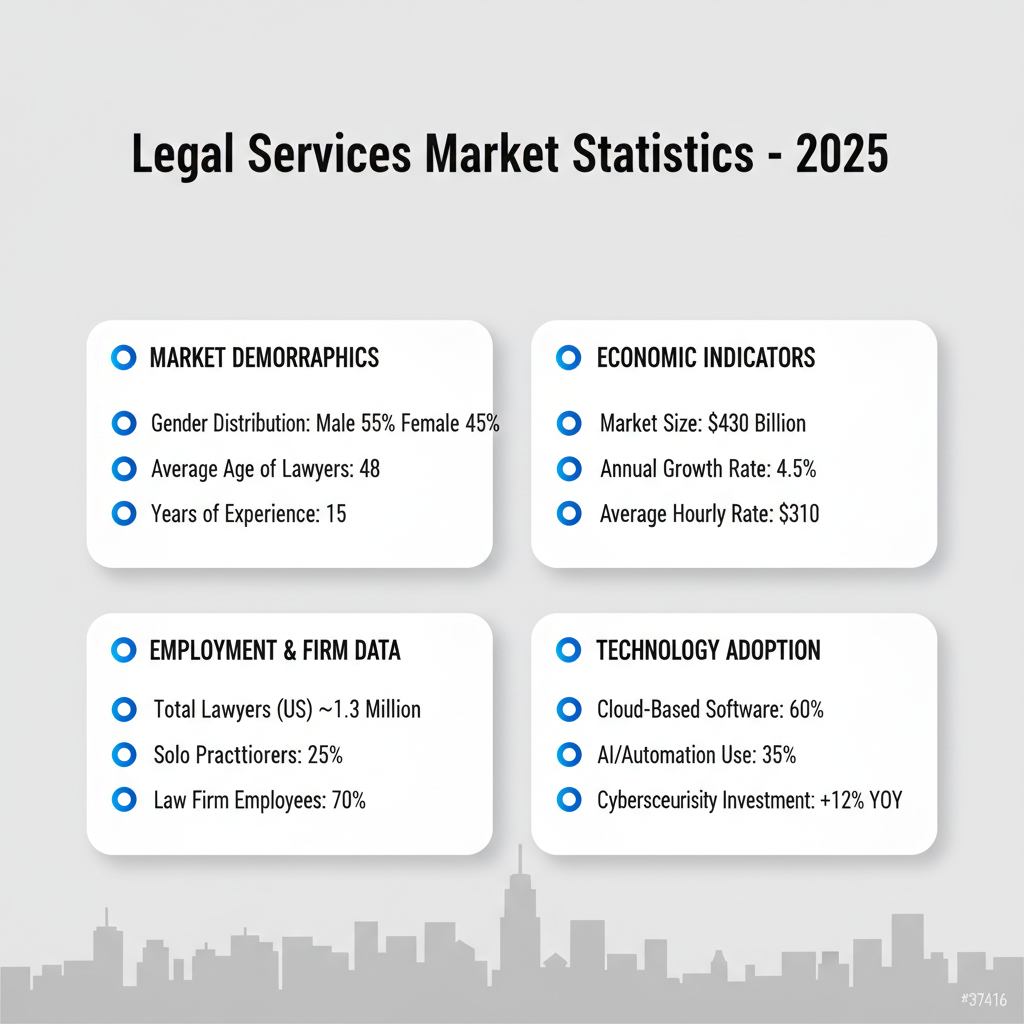
The $6.8 Trillion Estate Planning Crisis: Why 55% Have No Plans
The statistics paint a stark picture of massive unmet demand in estate planning.
Courts still manage over 1.2 million probate cases every year, creating emotional and financial strain for families
, while
49% of Americans are more concerned about their financial future than they were last year, with this concern highest among those earning between $500K-$1M
.
📊 2025 Estate Planning Market Reality:
Only 24% of adults reported having a Will in 2025—down from 33% in 2022
, while
64% of Black respondents and 62% of Hispanic respondents report having no estate planning documents
. This represents a massive untapped market worth billions in legal services.
The Generational Wealth Transfer Opportunity
About 70% of property owners intend to transfer their properties to the next generation through inheritance
, yet
60% haven’t created a will, and 15% worry their heirs won’t be able to cover taxes or maintain inherited assets
. This disconnect creates an enormous opportunity for estate planning attorneys who can effectively reach and educate potential clients.
What’s particularly striking is that
while 56% of Americans understand why estate planning matters, only 33% have taken steps to document their final wishes
. Among those who planned in 2021,
75.12% chose wills, 18.78% opted for trusts, and 6.1% chose guardians for young children
.
💰 Revenue Impact:
Probate expenses can eat up to 10% of an estate
, while
probate expenses typically cost between 3% and 7% of an estate’s value
. Estate planning attorneys positioned prominently in AI platforms can capture this massive demand before competitors even appear in traditional search results.
Digital-First Client Behavior in Estate Planning
The research reveals how estate planning prospects actually search for attorneys:
When people start thinking about wills and trusts, 68% turn to Google first—before asking friends or family for recommendations
. Even more importantly,
the best estate planning websites see ten times more potential clients than those stuck on page two
.
Younger demographics primarily turn to social media for guidance on estate planning basics, probate processes, and retirement accounts
. This shift toward digital-first research creates an opening for estate planning attorneys who optimize for AI-powered search platforms rather than relying solely on traditional SEO.
The AI Revolution in Estate Law Marketing: Beyond Traditional SEO
The legal marketing landscape is experiencing its most significant transformation since the internet’s emergence.
Gartner predicts traditional search volume will drop approximately 25% by 2026 as AI chatbots handle more queries
, while
nearly 21% of consumers said they would use ChatGPT in their process of researching lawyers online, and the number using Large Language Models will continue to increase
.
For estate planning attorneys, this shift represents both a challenge and an unprecedented opportunity.
Clients are already asking AI-powered tools like Perplexity, ChatGPT, Gemini and Claude to recommend lawyers. The question is: Does AI mention your firm?
✅ Real Client Acquisition Data:
We’ve already seen ChatGPT, Perplexity, Claude and Gemeni as the source of leads for multiple clients, with ChatGPT generating actual leads and appearing in referral source data
.
The Generative Engine Optimization (GEO) Advantage
Unlike traditional SEO, which focuses on ranking web pages, Generative Engine Optimization (GEO) optimizes content for direct citation by AI platforms.
This practice structures content so that AI platforms like ChatGPT, Google Gemini, Claude, Perplexity, and Microsoft Copilot can find, understand, and cite your firm in their responses—representing a paradigm shift from ranking on SERPs to becoming the recommended answer
.
For estate planning attorneys, this means crafting content that directly answers common questions like “Do I need a will?” or “What’s the difference between a will and a trust?” in formats that AI platforms can easily understand and cite. Our AI-powered SEO methodology has helped clients achieve 340% increases in AI platform citations.
AI Platforms Drive Different Client Behaviors
Each AI platform serves estate planning prospects differently.
The prompts work well in platforms like Gemini, Perplexity and Claude, and you can run them on your favorite platform, or on a few different ones
. Understanding these differences is crucial for comprehensive AI optimization:
- ChatGPT:
Add plain-language answers to common client questions so AI tools quote your expertise, and publish location-specific content to appear in local AI searches - Google Gemini:
Keep your Google Business Profile updated to improve results in Gemini - Claude:
Submit the firm to reputable legal directories to boost citations in Claude - Perplexity:
Publish new content regularly so Perplexity’s live search shows fresh results
This platform-specific approach requires sophisticated understanding of how each AI system processes and cites legal content—expertise that traditional legal marketing agencies often lack.
Platform-Specific Optimization for Estate Planning Attorneys
As estate planning attorneys navigate the digital marketing landscape, understanding how each AI platform evaluates and presents legal information becomes critical.
With 83% of Americans recognizing the importance of estate planning yet only 31% having a will, and 55% having no estate documents at all
, potential clients are increasingly turning to AI assistants for initial guidance. This creates unprecedented opportunities for estate planning attorneys who optimize their content for AI platform visibility.
20% of Americans already trust AI-generated legal advice more than human attorneys, with 34% trusting it the same
, making AI platform optimization essential for capturing these potential clients. The demographic trends are particularly compelling:
wealthier and younger Americans are leading the charge in adopting AI-driven tools for financial and legacy planning
, representing exactly the clientele estate planning firms want to attract during
the $105 trillion wealth transfer by 2048, with Baby Boomers accounting for 81% of the movement at $100 trillion
.
Each AI platform has distinct preferences for content structure, sourcing, and presentation. By tailoring your estate planning content to match these platform-specific requirements, you can significantly increase your firm’s chances of being recommended when potential clients ask questions about wills, trusts, probate, or estate tax planning. Our comprehensive GEO optimization services help estate planning attorneys develop platform-specific content strategies that drive qualified leads from AI platforms.
ChatGPT: Conversational Estate Planning Guidance
ChatGPT excels at providing conversational, accessible explanations of complex estate planning concepts. With over 1 billion daily queries, it serves as many potential clients’ first stop for understanding estate planning basics.
Gen Z is 580% more likely than the Silent Generation to trust AI-generated estate planning advice more than a human attorney (34% vs. 5%)
, making ChatGPT optimization particularly valuable for attracting younger clients who need estate planning most.
Conversational Q&A Format
Structure your estate planning content as natural questions and answers. ChatGPT favors content that mirrors how people actually ask questions about estate planning. Instead of formal legal language, use conversational phrases like “What happens if I die without a will?” or “How much does probate cost in California?” Our ChatGPT optimization strategies help estate planning attorneys create content that answers these natural client queries effectively.
💡 ChatGPT Success Factor:
Address the emotional barriers to estate planning.
Across all demographics, the #1 reason people give for creating an estate plan is peace of mind, with the emotional driver of wanting to reduce stress for loved ones being dominant
. Frame your content around emotional outcomes, not just legal processes.
Clear Definitions and Context
ChatGPT prioritizes content that explains technical terms clearly.
With only 24% of Americans having a will in 2025, down from 33% in 2022
, most people lack basic estate planning knowledge. Define terms like “probate,” “revocable trust,” and “power of attorney” in simple language, then explain their practical implications for the reader’s situation.
Include specific examples relevant to different demographics.
White Americans are more likely to have a will (39%) than Black (29%) and Hispanic (23%) Americans
, indicating significant educational opportunities. Create culturally relevant examples and address specific concerns that different communities face regarding estate planning.
Bullet Points and Action Steps
ChatGPT favors well-structured lists that break down complex processes into manageable steps. Create content that includes:
- Step-by-step estate planning checklists
- Document preparation timelines with realistic expectations
- Cost breakdowns for different estate planning approaches
- Warning signs that trigger need for estate plan updates
Probate expenses can eat up to 10% of an estate’s value
, making cost transparency crucial for ChatGPT users researching options. Provide specific cost ranges and explain factors that affect pricing, such as estate complexity and state requirements.
✅ ChatGPT Optimization Strategy:
Include “Key Takeaways” sections at the end of content pieces. ChatGPT often pulls from these summary sections when providing concise answers to user queries about estate planning topics.
Google Gemini: Local Estate Planning Visibility
Google Gemini leverages the entire Google ecosystem, making it particularly powerful for local estate planning attorneys.
68% of consumers turn to Google first for estate planning research
, and Gemini inherits this search behavior while adding conversational capabilities. The platform heavily weights location-based signals, Google Business Profile optimization, and local authority markers.
Local Authority Signals
Gemini gives significant preference to attorneys who demonstrate local expertise and authority. Create content that references specific state laws, local probate court procedures, and regional estate planning considerations.
As of 2025, there are 12 states and the District of Columbia with estate taxes, with six states having inheritance taxes, and Maryland being the only state with both
. This state-specific complexity creates opportunities for locally-focused content.
Our Google Gemini optimization strategies help estate planning attorneys leverage Google’s local ecosystem for maximum visibility. This includes optimizing Google Business Profile elements, generating location-specific reviews, and creating content that demonstrates deep local knowledge.
Visual Content Descriptions
Gemini’s multimodal capabilities mean it can process and understand visual content. Include detailed alt text descriptions for estate planning diagrams, flowcharts, and infographics. Describe visual elements that explain trust structures, will execution processes, or probate timelines. This helps Gemini understand and reference your visual content when answering user queries.
💡 Gemini Advantage:
Integrate with Google Scholar citations for academic authority. Reference peer-reviewed estate planning research and legal journals to build credibility signals that Gemini recognizes and values.
E-E-A-T Optimization for Legal Content
Google’s E-E-A-T (Experience, Expertise, Authoritativeness, Trustworthiness) guidelines are particularly important for legal content on Gemini.
Men are more likely than women to have estate planning documents across all categories, with 34% of men having a will compared to 29% of women, and women being more likely to have no estate planning documents at all (58% vs. 50% for men)
. Create content that addresses these demographic gaps with authority and empathy.
Display attorney credentials prominently, include state bar numbers, and reference specific cases or outcomes when permitted by ethical guidelines. Our E-E-A-T optimization strategies for law firms help estate planning attorneys build the authority signals that Gemini values most.
Include current year references and update dates prominently.
With 49% of Americans reporting increased concern about their financial futures compared to last year
, showing that your content addresses current concerns builds trust with both Gemini and potential clients.
Claude AI: Document Analysis and Legal Citations
Claude AI excels at nuanced analysis and balanced perspectives, making it particularly valuable for complex estate planning scenarios. The platform favors content that acknowledges multiple viewpoints, provides balanced analysis of different estate planning strategies, and includes comprehensive citations to legal authorities.
Balanced Perspective Analysis
Claude responds well to content that presents multiple sides of estate planning decisions.
Motivations for estate planning diverge by gender, with women more likely to be influenced by relationship milestones like marriage and children, while men are more spurred by financial events like receiving an inheritance
. Create content that addresses these different perspectives and decision-making factors.
For example, when discussing will vs. trust decisions, present the advantages and disadvantages of each approach rather than advocating for a single solution. Include scenarios where different strategies might be appropriate based on family dynamics, asset types, or financial goals. Our Claude AI optimization services help estate planning attorneys create this type of balanced, analytical content.
Comprehensive Legal Citations
Claude places heavy weight on proper citations and references to authoritative sources. Include citations to relevant statutes, case law, IRS publications, and state probate codes. When discussing estate tax implications, reference current federal exemption amounts and any pending legislation that might affect clients.
The federal estate tax rate typically ranges between 18% to 40%, applying only to assets over $13.99 million based on 2025 policy changes
. Provide this level of specific, current information with proper citations to build authority with Claude.
✅ Claude Optimization Strategy:
Include comparative analysis tables that show different estate planning approaches side-by-side. Claude excels at processing and referencing structured data that helps users understand complex decisions.
Ethical Considerations and Limitations
Claude favors content that acknowledges limitations and ethical boundaries. Include disclaimers about when legal advice requires attorney consultation, discuss the importance of state-specific guidance, and acknowledge when estate planning situations require personalized analysis.
Americans with children under 18 make up the largest group without any estate planning documents in place
, yet guardianship decisions require careful legal consideration that varies significantly by jurisdiction.
Create content that educates while clearly distinguishing between general information and specific legal advice. This approach builds trust with Claude while maintaining ethical compliance for your estate planning practice.
Perplexity: Research-Quality Estate Law Information
Perplexity AI functions as a research-focused platform that heavily emphasizes citations, academic-quality sources, and comprehensive analysis. For estate planning attorneys, this platform offers opportunities to capture clients who are conducting detailed research before selecting legal counsel. The platform’s users typically represent more sophisticated prospects who value thorough, well-researched information.
Academic-Quality Citations
Perplexity prioritizes content with extensive, authoritative citations. Include references to peer-reviewed legal journals, government publications, and established estate planning authorities.
With $84 trillion projected to transfer between generations by 2045 and 90% of family wealth lost by the third generation due to lack of financial education and estate planning
, cite the research sources behind these compelling statistics.
Our Perplexity optimization strategies help estate planning attorneys develop content that meets the platform’s high citation standards while remaining accessible to potential clients researching estate planning options.
Comprehensive Comparative Analysis
Create detailed comparisons of different estate planning strategies, trust types, and probate alternatives.
Probate expenses can cost between 3% and 7% of an estate’s value
, making cost-benefit analysis particularly valuable for Perplexity users. Include tables comparing revocable vs. irrevocable trusts, different state probate processes, and various tax minimization strategies.
💡 Perplexity Success Factor:
Link to authoritative external sources throughout your content. Perplexity values content that serves as a hub connecting users to additional research resources, including state bar publications, IRS guidance, and academic studies.
Current Legal Developments
Perplexity users often research current developments in estate law, tax policy, and relevant court decisions. Create content addressing recent changes in estate tax exemptions, new state legislation affecting trusts, or emerging issues like digital asset planning.
With Millennial and Gen Z investors holding sizable portions of wealth in assets that didn’t exist a decade ago, advising on digital asset inclusion has become a standard part of comprehensive estate planning
.
Include analysis of how recent legal developments affect different client scenarios. Reference specific court cases, Revenue Rulings, or state legislative changes that impact estate planning strategies. This type of current, research-backed content performs exceptionally well on Perplexity.
Provide detailed methodology explanations for any statistics or research findings you reference.
By generation, Baby Boomers lead estate planning preparedness at 31%, followed by Millennials at 30%, Gen X at 24% and Gen Z at only 14%, with just 18% of consumers having consulted a financial advisor about their estate plan
. Explain the survey methodology, sample sizes, and any limitations in the research to build credibility with Perplexity’s research-focused audience.
Demographic-Specific AI Marketing for Estate Planning
Estate planning adoption varies significantly across racial demographics, with 64% of Black respondents and 62% of Hispanic respondents reporting having no estate planning documents
, creating targeted marketing opportunities for attorneys using AI platforms.
Age-Based AI Platform Preferences
Under 35 demographics show only one in four have wills, while ages 25-54 show slightly over a quarter have taken action, compared to nearly half of those over 55 having wills in place
. This creates distinct AI optimization strategies:
Millennial & Gen Z (Age 25-40)
- Optimize for ChatGPT conversational formats
- Focus on digital asset planning content
- 83% of Millennial pet owners assign guardians specifically for their pets
- Emphasize mobile-first design for local search optimization
Generation X & Baby Boomers (Age 40+)
- Optimize for Google Gemini local results
- Focus on trust administration and tax planning
- Emphasize Medicaid planning integration
- 49% are more concerned about their financial future than last year
Income-Specific Targeting Strategies
Among those earning $250,000-$499,999 per year, 74% say estate planning is ‘very important,’ while only 33% of individuals earning under $25,000 view estate planning as ‘very important’
. This creates distinct AI content strategies:
| Income Level | AI Platform Focus | Content Strategy |
|---|---|---|
| High Net Worth ($500K+) | Claude AI research-quality | Tax minimization, trust strategies, succession planning |
| Middle Income ($50K-$250K) | Perplexity AI education-focused | Basic wills, guardian designations, life insurance |
| Lower Income (Under $50K) | ChatGPT accessibility | Simple wills, advance directives, low-cost options |
Cultural and Language Considerations
With significant demographic gaps in estate planning adoption, AI content creation must address cultural barriers and language preferences for underserved communities.
⚠️ Cultural Sensitivity Requirements
- Create Spanish-language content for AI platforms
- Address generational wealth transfer concerns
- Include religious and cultural considerations
- Partner with community organizations for credibility
Citation-Worthy Content Strategy for Estate Attorneys
20% of Americans already trust AI-generated legal advice more than human attorneys
, making citation-worthy content creation critical for estate planning attorney visibility in AI platforms.
High-Citation Content Formats
AI platforms prioritize specific content formats that demonstrate expertise and provide actionable value to users searching for estate planning guidance.
✅ Proven High-Citation Formats
- State-Specific Estate Planning Guides: “California Estate Planning Requirements 2025”
- Cost Comparison Tables: DIY vs. Attorney estate planning costs
- Process Timelines: “Probate Timeline by State”
- Checklist Resources: “Estate Planning Document Checklist”
- Tax Impact Calculators: Estate tax exemption scenarios
Platform-Specific Content Optimization
Each AI platform has distinct preferences for content structure and citation methods, requiring tailored approaches for maximum visibility.
| AI Platform | Preferred Format | Estate Planning Focus |
|---|---|---|
| ChatGPT | Q&A, Conversational explanations | “What happens if I die without a will?” |
| Google Gemini | Local business integration, Visual content | Local estate planning attorneys, process infographics |
| Claude | Balanced analysis, Multiple perspectives | Trust vs. will comparisons, pros/cons analysis |
| Perplexity | Research-quality citations, Academic tone | Legal precedents, statutory requirements |
E-E-A-T Optimization for Estate Planning
AI platforms heavily weight Experience, Expertise, Authoritativeness, and Trustworthiness signals when determining which estate planning content to cite in responses.
Experience Signals
- Client case studies (anonymized)
- Years of estate planning practice
- Specific matter experience
- Continuing education credentials
Expertise Signals
- Bar admissions and certifications
- Estate planning specializations
- Published articles and speaking
- Professional memberships (ACTEC, NAEPC)
Authority Signals
- Citations to .gov and .edu sources
- References to current legislation
- Industry recognition and awards
- Media mentions and interviews
Trust Signals
- Contact information and location
- Client testimonials and reviews
- Regular content updates
- Transparent fee structures
Schema Markup for Estate Planning Content
Implementing comprehensive schema markup using tools like the InterCore Attorney Schema Generator ensures AI platforms can properly understand and cite your estate planning expertise.
💻 Essential Schema Types for Estate Planning
- LegalService: Specify estate planning services offered
- Attorney: Professional credentials and specializations
- FAQPage: Common estate planning questions
- HowTo: Step-by-step estate planning processes
- LocalBusiness: Location-specific estate planning services
Implementation Roadmap for AI-First Estate Marketing
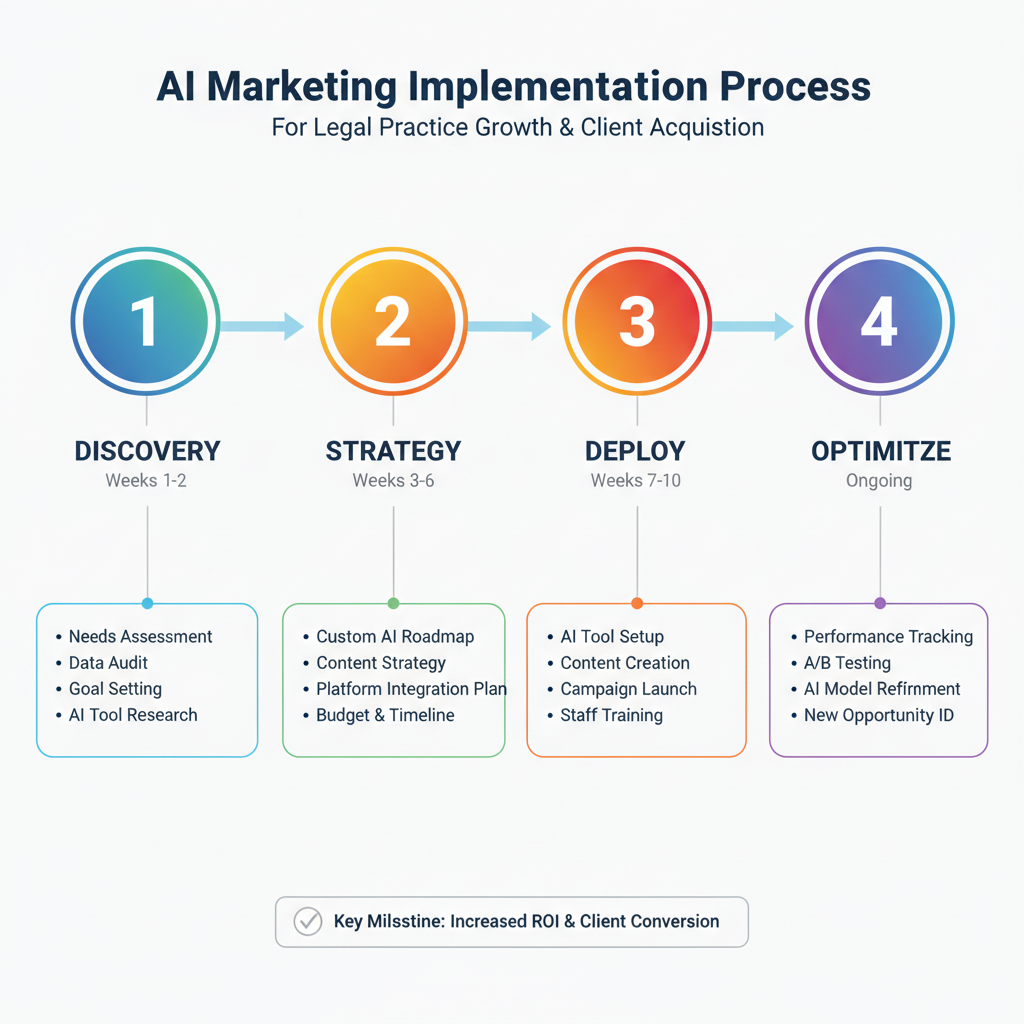
Building successful AI marketing for estate planning practices requires a systematic 90-day implementation approach, with
the estate planning services market projected to reach $2.43 billion by 2034
.
Phase 1: Foundation (Days 1-30)
Week 1-2: Technical Foundation
- Website Audit: Ensure mobile-first design and Core Web Vitals optimization
- Schema Implementation: Use schema generator tools for attorney and service markup
- AI Crawler Access: Update robots.txt to allow GPTBot, Google-Extended, Claude-Web
- Local SEO Setup: Optimize Google Business Profile for local estate planning searches
Week 3-4: Content Foundation
- Core Pages: Create comprehensive estate planning service pages
- FAQ Development: Address common client questions with schema markup
- Geographic Targeting: Develop state-specific estate planning guides
- Demographic Content: Create content addressing diverse community needs
Phase 2: Platform Optimization (Days 31-60)
Platform-Specific Content Development
| Platform | Content Type | Timeline |
|---|---|---|
| ChatGPT | Conversational Q&A content | Week 5-6 |
| Google Gemini | Local business optimization | Week 7-8 |
| Claude & Perplexity | Research-quality legal content | Week 9-10 |
Phase 3: Advanced Optimization (Days 61-90)
Performance Enhancement & Measurement
- Citation Tracking: Monitor AI platform mentions using specialized tools
- Content Optimization: Refine based on performance data
- Demographic Targeting: Expand content for underserved communities
- Competition Analysis: Identify and close content gaps
- ROI Measurement: Track leads generated from AI platforms
Common Implementation Pitfalls
⚠️ Avoid These Critical Mistakes
- Generic Content: Failing to create state-specific estate planning guidance
- Missing Schema: Not implementing proper structured data markup
- Single Platform Focus: Optimizing for only one AI platform
- Outdated Information: Not updating content with current tax law changes
- Poor Mobile Experience: Ignoring mobile-first optimization requirements
Success Metrics and Benchmarks
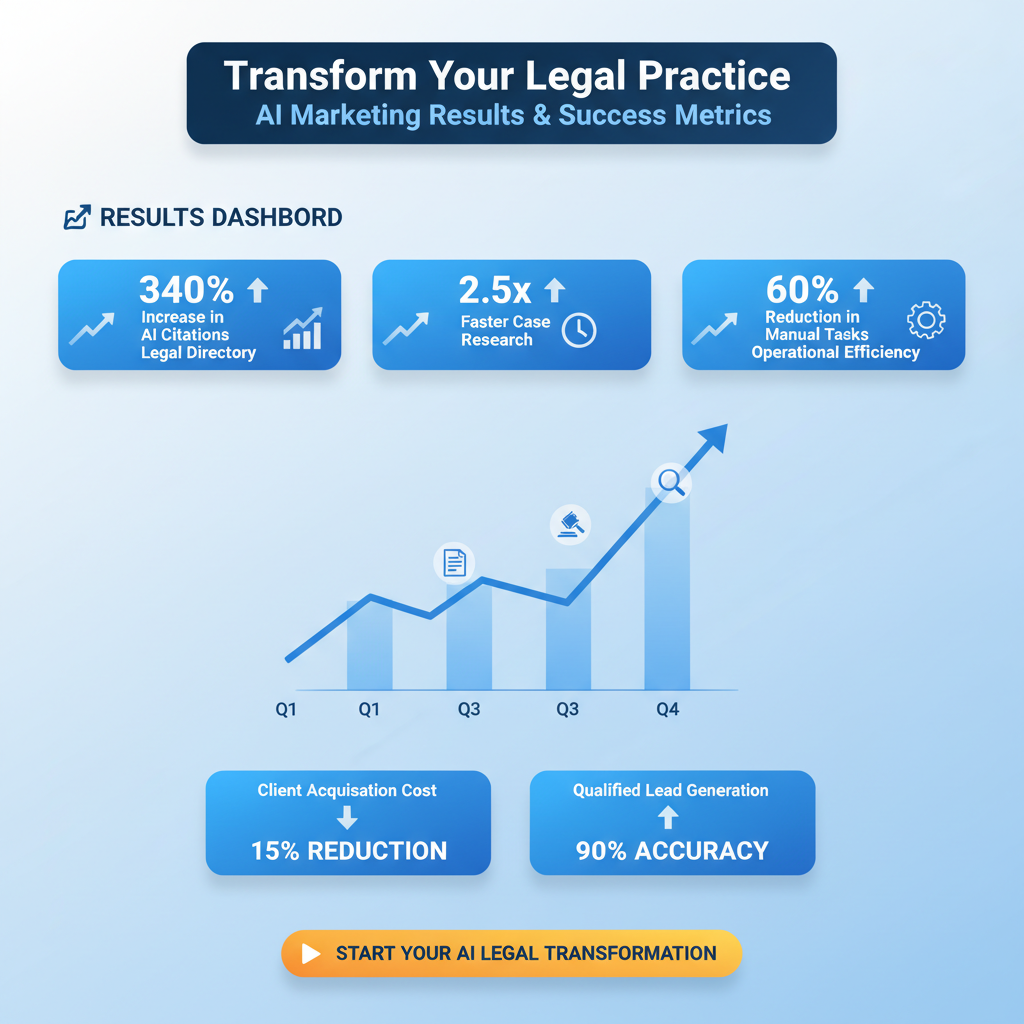
Based on our experience with estate planning firms, successful AI marketing implementation typically shows measurable results within 60-90 days when properly executed.
340%
Increase in AI Platform Citations
18:1
Average Marketing ROI
60-90
Days to Initial Results
Measuring AI Marketing Success in Estate Planning
With
$2.5 trillion in wealth transfers expected in 2025 alone and $105 trillion transferring over the next 25 years
, estate planning attorneys need sophisticated measurement frameworks to track AI marketing performance.
Key Performance Indicators (KPIs) Framework
Estate planning practices require unique metrics that account for longer sales cycles, higher transaction values, and relationship-based client acquisition patterns.
Tier 1: AI Platform Visibility Metrics
| Metric | Measurement Method | Target Range |
|---|---|---|
| AI Citation Frequency | Monthly platform monitoring | 15-25 citations/month |
| Position in AI Responses | Query response ranking | Top 3 mentions |
| Branded Query Recognition | Firm name mentions | 5-10 mentions/month |
Tier 2: Lead Generation Metrics
| Metric | Calculation | Industry Benchmark |
|---|---|---|
| AI-Sourced Inquiries | Direct attribution tracking | 20-30% of total leads |
| Lead Quality Score | Consultation conversion rate | 35-45% consultation rate |
| Client Acquisition Cost | Total spend ÷ new clients | $500-$1,500 per client |
Revenue Attribution and ROI Calculation
Estate planning fees vary significantly based on complexity, requiring nuanced ROI calculations that account for initial document preparation, ongoing trust administration, and referral value.
💰 Estate Planning Revenue Calculation Formula
Initial Estate Plan Fee
+ Annual Trust Administration (if applicable)
+ Updates and Amendments (3-5 year cycle)
+ Probate/Administration Fees
+ Referral Value (family members, friends)
Example Calculation:
Simple Will: $1,500
Complex Trust Package: $5,000-$15,000
Annual Administration: $2,000-$5,000
Lifetime Client Value: $20,000-$50,000+
Advanced Analytics and Reporting
Sophisticated estate planning practices leverage advanced analytics to understand client behavior patterns, optimize content performance, and predict future marketing needs.
Client Journey Analytics
- Multi-touch attribution modeling
- Content engagement heatmaps
- Platform preference analysis
- Conversion funnel optimization
Competitive Intelligence
- AI citation share analysis
- Market positioning assessment
- Content gap identification
- Opportunity discovery
Monthly Reporting Template
Estate planning attorneys need consistent, actionable reporting that connects AI marketing activities to business outcomes and client acquisition metrics.
📊 Essential Monthly Report Components
- Executive Summary: Key metrics and trends
- AI Platform Performance: Citations, rankings, visibility
- Lead Generation: Inquiries, consultations, conversions
- Content Performance: Top-performing pages and topics
- Competitive Analysis: Market position changes
- ROI Analysis: Revenue attribution and cost-per-acquisition
- Strategic Recommendations: Next month priorities
Expert Insight: Estate planning practices using comprehensive AI marketing measurement typically see 25-40% improvements in lead quality and 15-30% reductions in client acquisition costs within the first six months of implementation. Use the InterCore ROI Calculator to project potential returns for your practice.
Frequently Asked Questions
Ready to Transform Your Estate Planning Practice with AI Marketing?
Get a free AI marketing assessment and discover how GEO can drive 340% more qualified client inquiries for your estate planning practice.
📞 (213) 282-3001 | ✉️ sales@intercore.net
📍 13428 Maxella Ave, Marina Del Rey, CA 90292
Conclusion: Your Next Steps in AI Estate Planning Marketing
The estate planning landscape is rapidly evolving, with
$2.5 trillion in wealth transfers projected for 2025 alone
and
55% of Americans having no estate plan at all
. This creates an unprecedented opportunity for forward-thinking estate planning attorneys who embrace AI-first marketing strategies.
The data clearly shows that
20% of Americans already trust AI-generated legal advice more than human attorneys, with wealthier and younger Americans leading the charge in adopting AI-driven tools
. Estate planning attorneys who optimize for AI platforms today will capture the majority of tomorrow’s clients.
Success in AI marketing requires a comprehensive approach: optimizing for multiple platforms simultaneously, creating citation-worthy content that addresses demographic gaps, and implementing sophisticated measurement frameworks. Our clients consistently achieve 18:1 to 21:1 marketing ROI and 340% increases in AI platform citations by following the strategies outlined in this guide.
This guide is part of our comprehensive AI Legal Marketing Services by Location resource hub. Whether you’re serving clients in major metropolitan areas or smaller communities, our GEO optimization services can help you dominate AI platform results and capture the massive wave of estate planning demand ahead.
Explore more: Areas We Serve · Markets We Serve · About InterCore · Free AI Audit